
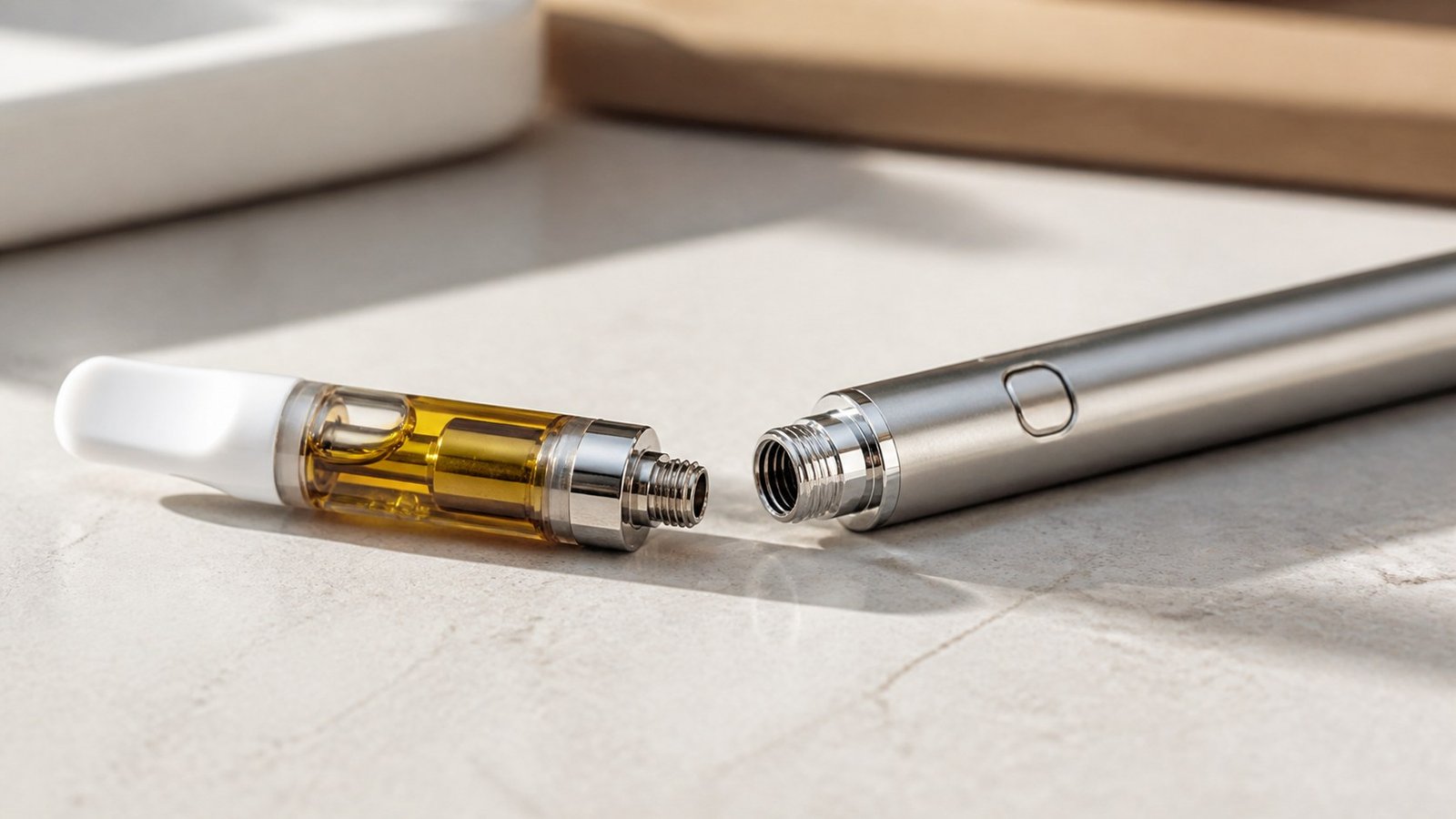
How to Check Vape Cartridge Compatibility Before Ordering
You are about to add a vape cartridge to a GTA delivery cart. The price looks fine, the photo looks familiar, and then the real question appears: will it fit the battery you already own? This guide shows how to choose a compatible vape cartridge by naming your device first, matching the connection type, reading the size and product-page notes, and checking any listed voltage or brand-specific guidance before checkout.
Key takeaways
- Start with the device or battery in your hand, not the cartridge image.
- Treat 510-thread wording as a strong clue, then confirm brand, device, size, and voltage notes.
- Compare price only after the product page answers the fit question.
- If you cannot explain the match in one sentence, keep browsing before checkout.
Identify the device you already own
The first check is your device, because a cartridge is only one part of the setup. A listing can look familiar and still be the wrong kind of item for the battery, pod device, or disposable format you have at home.
Name the device before you compare products. Is it a reusable pen-style battery, a compact 510 battery, a pod-style device, a kit, or a disposable vape? That single label narrows what the product page needs to prove.
This distinction prevents a common cart mistake. A disposable vape is usually a complete item. A cartridge is a component. A pod can also be a component, but it may use a different connection than a threaded cartridge.
Once you know the device, you can view the vape category with a clearer filter in mind. The category page is for live browsing; this guide keeps the browsing decision from turning into a guessing game.
Find the connection type
The connection type answers whether the cartridge and device can physically work together. The OCS Wholesale vape education guide distinguishes 510-thread batteries, pod formats, and brand-specific batteries, which is exactly the distinction a shopper needs before comparing a cartridge.
A 510-thread mention is helpful, but it is not the whole decision. If your battery and the cartridge page both say 510, you have a promising match to investigate. Then check for brand notes, device notes, size limits, voltage guidance, or anything that narrows compatibility.
Pod systems need extra caution. A pod can look cartridge-like in a photo but still use its own shape or attachment system. Shape gives you a hint; the product-page wording gives you evidence.
Use this connection flow before you compare the item price:
If the device and listing use different language, pause. That does not always mean the cartridge is wrong. It means the page has not yet answered the setup question for your cart.
Check cartridge size and product-page details
After the connection looks right, read the cartridge size and product details. Fit is partly physical, and a photo cannot confirm everything. A threaded cartridge may still feel awkward with certain compact batteries if the body shape, length, or listed device notes do not line up.
Health Canada's product-label guide is useful here because it trains the same reading habit: look for product class, net weight or volume, units, lot or packaging date, storage conditions, and intended use. On an ecommerce page, the practical question is similar: what does this exact listing confirm?
Do not use a similar listing as a shortcut. If one brand worked with your battery last time, that history is useful. The current product page still has to earn the match on its own.
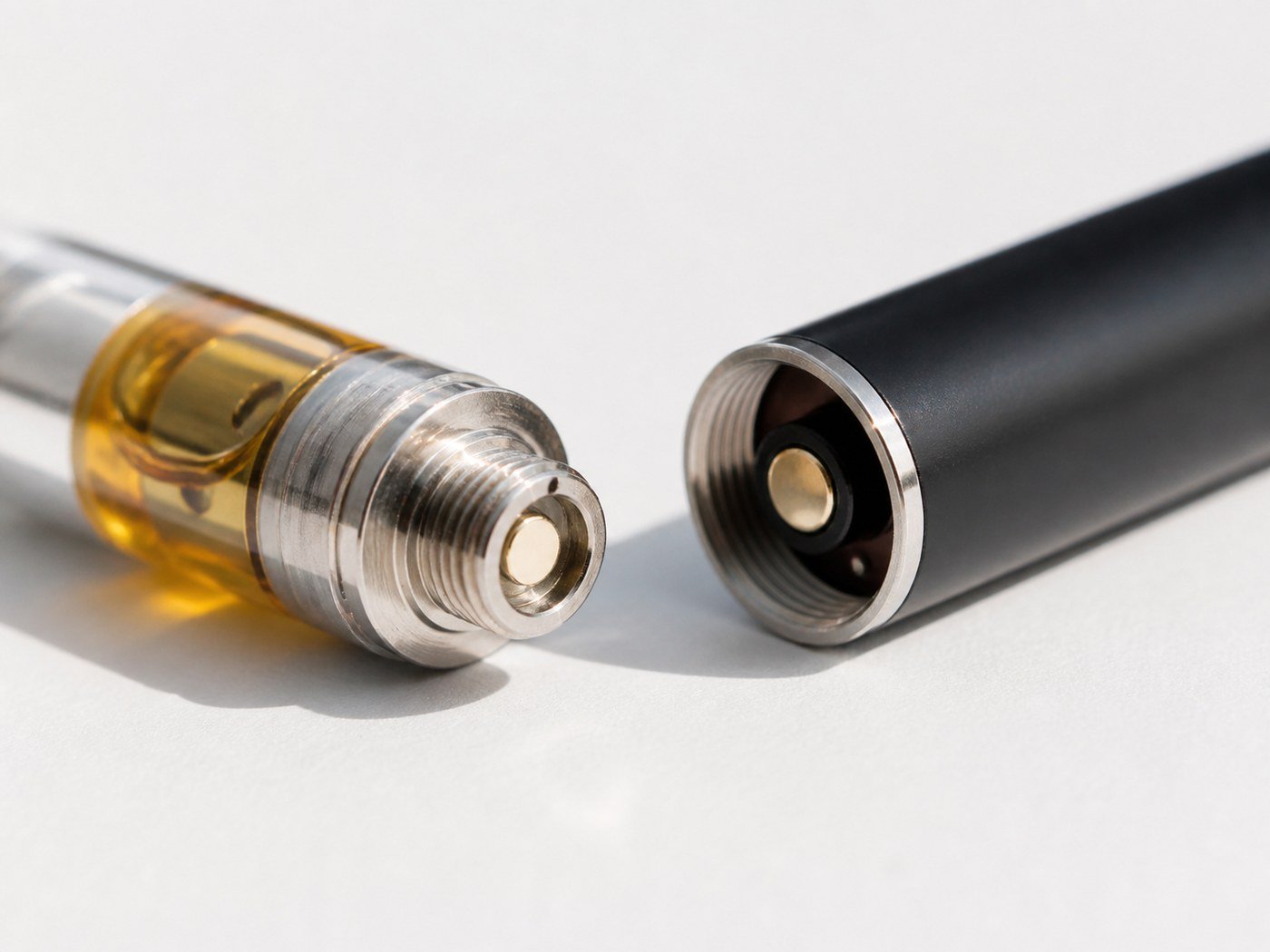
A clean product-page read separates three questions. What format is this? What amount or size is listed? What extra device note appears, if any? When those answers are clear, the cartridge has earned a fair comparison.
For broader browsing, the shop page can help you move between formats without forcing every item into the same mental bucket.
Review voltage or device notes when listed
Voltage and device notes matter when a cartridge or battery has narrower expectations. Do not invent a setting from memory. Read what the product page or device instructions say, then avoid forcing a connection the listing does not support.
If a cartridge page mentions recommended voltage, battery type, charging, or device compatibility, treat that note as part of the buying decision. If your battery has variable settings, the note may help you judge the match. If your battery has no visible settings or manual, the product page becomes more important.
The OCS education page also gives two useful handling reminders for this decision: charge the battery before use, and avoid over-tightening when attaching or changing a cartridge or battery. For checkout, those become practical questions: do you have a charged compatible battery, and can you attach this cartridge without forcing it?
Collect these product-page details before the item earns a place in the cart:
This checklist keeps the decision attached to the page in front of you. It does not stretch one product's instructions across the whole category.
What to do when details are missing
When details are missing, do not fill the gap with confidence. Keep comparing, choose a listing with clearer information, or select a complete format that creates fewer device assumptions.
Missing details are easy to miss because the cart still works. A website can let you add a cartridge even if you have not confirmed the battery. The cart does not know what device you own.
Use the mismatch as a warning sign. If you own a 510 battery and the page says 510 cartridge, the decision may be straightforward. If you own a pod device and the page says cartridge, pause. If a listing uses brand-specific wording and your device is from another brand, pause.
Deals should come after that logic. The deals page is useful once you know the format you want, but a discount does not make an unclear cartridge compatible with an unknown battery.
The calmest rule is simple: if the product page does not give you enough information to explain the match in one sentence, the compatibility check is not finished.
Compatibility checklist before checkout
Use this final checklist after you have picked a cartridge but before you submit the order.
| Checkout question | What a clear answer sounds like | If the answer is unclear |
|---|---|---|
| What device do I own? | A reusable 510 battery, pod device, compact battery, kit, or disposable. | Check the device before browsing further. |
| What connection does the listing mention? | The product page confirms 510, pod, kit, disposable, or brand-specific wording. | Do not rely on product shape alone. |
| Does the size make sense for my battery? | The cartridge body and listed amount do not create obvious fit doubts. | Choose a clearer listing or a complete format. |
| Are voltage or device notes listed? | The page or device instructions support how you plan to use it. | Avoid inventing settings from memory. |
| Is anything else needed? | You already have the battery or know what accessory is required. | Add another component only when the page confirms it. |
| Can I explain the match simply? | This cartridge fits this battery because both point to the same setup. | Pause before checkout. |
If you are still deciding between cartridges and other cannabis formats, the published GTA product format guide can help you settle the broader shopping question first. If you want a narrower browse path after the compatibility check, the cartridge category keeps the search focused.
A clean checkout choice should be easy to say out loud: I know my device, I know the connection type, I checked the size and page details, and I am not asking the photo to do the thinking.
FAQs
What should I check first before ordering a vape cartridge?
Check the device or battery you already own. You need to know whether it is a reusable 510 battery, pod device, compact battery, kit, disposable format, or another setup before a cartridge listing can be judged.
Does 510-thread mean a cartridge will fit?
510-thread wording is a strong compatibility clue, especially when both the battery and cartridge listing use it. Still read the current product page for brand-specific, size, voltage, or device notes before deciding.
Can I use a pod device with a 510 cartridge?
Do not assume that. Pod devices and 510-thread cartridges can use different connection systems. Match the wording on your device and the product page instead of relying on the photo.
Should I compare price before compatibility?
No. Compare compatibility first, then price. A lower cartridge price is not useful if it requires a battery you do not own or a device match the listing does not confirm.
What if the product page does not list enough details?
Treat the decision as unfinished. Keep browsing, choose a listing with clearer compatibility language, or pick a complete format that does not depend on a separate battery match.
Are product photos enough to confirm compatibility?
No. Photos can help you recognize a format, but product-page wording is more reliable for connection type, amount, device notes, and cart fit.
The cleaner choice is the one you can explain in one sentence: this cartridge fits this device because the connection, size, and product-page notes all point in the same direction.






Add comment
You must be logged in to post a comment.