
Hash vs Other Concentrates: How the Online Product Pages Differ
You are comparing hash beside shatter, wax, and live resin for a GTA order, and the pages look similar just long enough to be confusing. The quick answer is this: hash belongs inside the broader concentrates family, but a useful hash vs concentrates comparison starts with the page evidence, not with a guess from the photo. Read category, format, appearance, package size, weight, price, and links in that order so you can compare products without treating every concentrate listing as interchangeable.
Key takeaways
- Hash is part of the concentrates family, but hash pages still deserve their own format-by-format read.
- Photos help you orient yourself; titles, descriptions, weights, prices, and category paths confirm the decision.
- Compare value only after format and amount are clear, because grams and bundle size change what price means.
- Use the hash category for focused browsing, the broader concentrates category for context, and product links only as examples.
Where hash sits within the concentrates category
Start with the category relationship because it keeps the whole comparison honest. Hash is one concentrate format inside a larger family of extract-style products. That means it can sit near shatter, wax, live resin, rosin, cartridges, and similar listings, but it should not be read as though every concentrate page is asking the same question.
Health Canada's consumer label guidance points shoppers toward practical information such as product class, net weight or volume, units when relevant, and storage information. Its cannabis background material also discusses hash, shatter, budder or wax, and similar products as concentrate or extract-style formats. For this article, those sources support a modest point: the format family matters, but the individual listing still has to do the comparison work.
The first decision is not which format sounds stronger, cleaner, or more impressive. Those would be unsupported claims. The better first decision is whether the page clearly tells you what you are reading. A hash listing may rely on a compact piece, pressed texture, weight, and category path. A shatter page may rely on sheet or shard presentation. Wax and live resin pages may lean more on jar texture and bundle wording.
After that answer, you can view the hash category as the focused browse path. The category owns the live product selection; this guide explains how to compare the details before checkout.
The clean distinction is simple: hash belongs within concentrates, but a hash page should still be read on its own terms.
How appearance and packaging differ
Appearance gives you orientation, not proof. Hash often appears as a compact, pressed, or darker textured item. Shatter can look flatter or more glass-like. Wax may look softer or opaque. Live resin can look glossier, saucier, or more granular depending on the listing. Those clues are useful, but they cannot carry the decision alone.
Packaging changes the read just as much as texture does. A compact hash item may look simple at first glance, while a jarred concentrate can make texture more visible. A bundle page may make total grams easier to notice than a single item. The shopper's job is to ask what the packaging and listing confirm, not what the image seems to suggest.
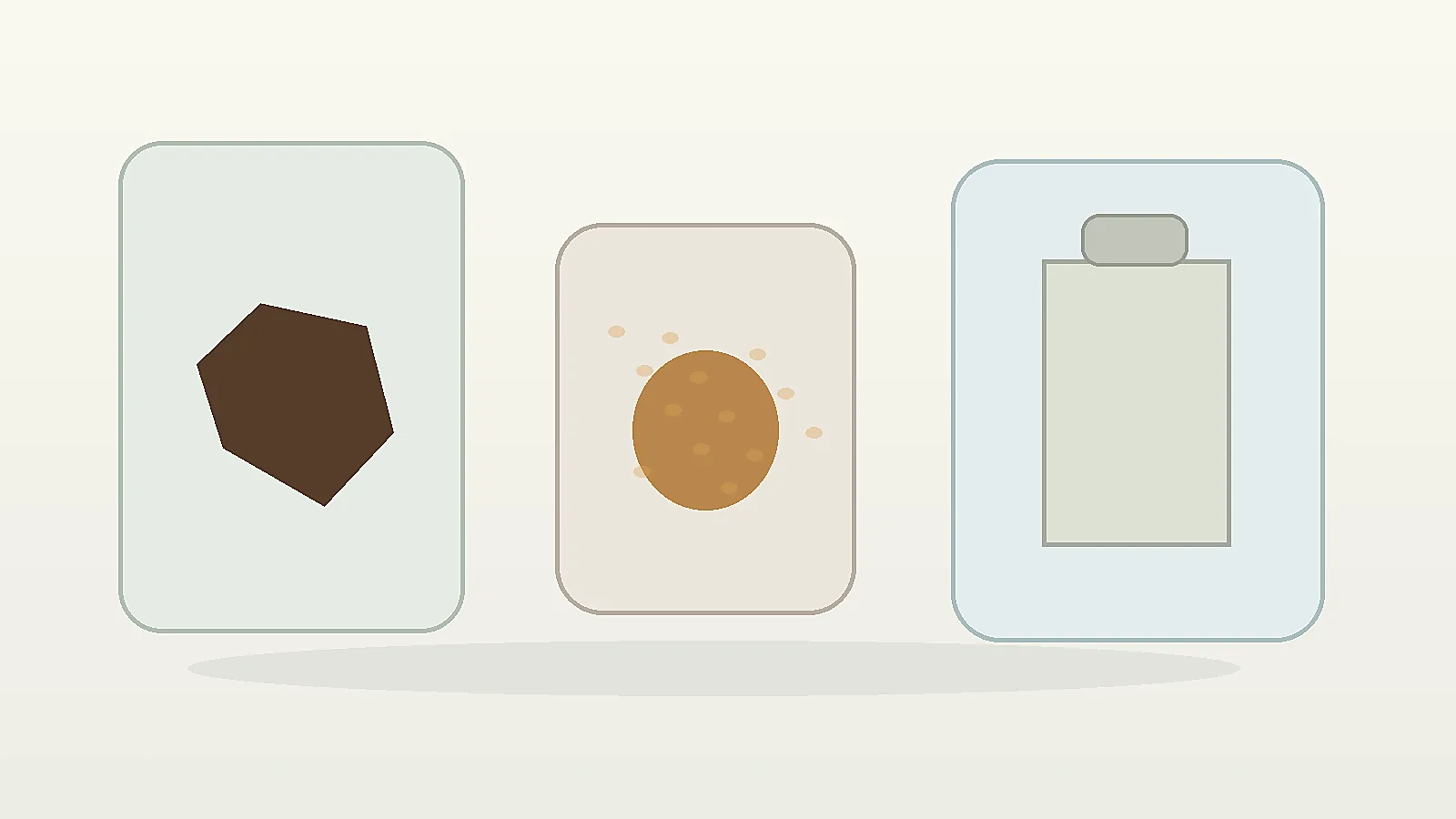
A careful image read asks three questions: what format does the photo seem to show, what does the page title confirm, and what details are still missing? Weight, current price, stock state, product amount, and cart fit usually come from the listing, not from the image.
That is why the next step moves from visual clues to description quality.
What product descriptions should explain
A useful product description should reduce guessing. At minimum, read for the format name, product form, package size, net weight or volume where shown, current price, stock state, and any storage or handling note the page actually provides. If a detail is missing, do not borrow it from another product.
This is where Health Canada's label-reading guidance is useful as a shopping habit, not as a technical lecture. It reminds shoppers to look for the class of cannabis product, amount, units when applicable, and storage conditions. On a product page, the same habit becomes plain English: find the confirmed facts before comparing two listings.
For hash, ask whether the page clearly names hash, shows the amount, explains the piece or package well enough, and makes the current price easy to understand. For other concentrates, ask the same questions after naming the exact format. Shatter, wax, and live resin should not collapse into one generic concentrate decision.
Simple copy can be enough. The problem is not a short product description. The problem is a page that makes the shopper fill in important details from memory, another listing, or a product photo.
How to compare weights and prices
Compare weights and prices only after the format is named. A hash listing, an 8g shatter bundle, a 4g live resin bundle, and a 2g wax bundle can all sit near one another, but they are not automatically equal comparisons. Amount changes the math. Format changes the usefulness of that math.
Use two passes. First, compare total amount: grams, bundle size, units, or any package-size detail shown by the live page. Second, compare the current price in that context. A lower price may still be a poor fit if the format or amount is not what you intended. A larger bundle may be useful only when you actually want that format and amount.
When a page gives total grams, a rough price-per-gram check can help. Keep it rough. The number is a comparison tool, not a verdict. It should sit beside format preference, product-page clarity, stock state, and cart fit.
If value is part of the decision, check current deals after the format is understood. A deal should make a clear product choice easier. It should not make an unclear format feel settled.
| Step | Question | Why it matters |
|---|---|---|
| 1 | What format is this? | Hash, shatter, wax, and live resin present differently even inside one category. |
| 2 | What amount is shown? | Total grams, units, or bundle size changes what the price means. |
| 3 | What is the current price? | Price is useful only when tied to a confirmed amount and format. |
| 4 | Does the cart still make sense? | A larger or discounted item is not helpful if it does not fit the order. |
The goal is a cart you can explain calmly: this is the format, this is the amount, this is the current price, and this is why it fits the order.
Related category links to use
Related links should move the reader from broad comparison to useful browsing, not distract them with every possible product path. Start narrow when the reader already wants hash. Widen only when the comparison needs context.
Use the hash category when the decision is hash-focused. Use the broader concentrates category when the shopper is still comparing formats. Use product examples only when they clarify how names, gram counts, and bundle language appear on real listings.
For example, someone comparing concentrate formats may open a shatter bundle, live resin bundle, and wax bundle to see how page names and gram counts differ. Links like Mix & Match Shatter Bundle - 8g, Mix & Match Live Resin Bundle - 4g, and Mix & Match Wax Bundle - 2g can teach the reading habit without turning this article into a sales page.
If the reader is comparing broad product families rather than concentrate formats, the published GTA product format guide is the better next click. It handles flower, edibles, and concentrates without forcing this hash article to carry every category decision.
The link rule is simple: every link should answer the reader's question at that moment. Broad category for context, hash category when ready, product examples only when they demonstrate the comparison.
Simple comparison checklist
Use this checklist when hash and another concentrate both look plausible. Move through it in order. Each step removes a different kind of guesswork.
That last step matters most. The clearer page is not necessarily the longest page or the loudest product name. It is the page that lets you understand what is being offered before checkout.
A calm next move is to open the hash category, compare one or two related concentrate pages, and read them in the same order: format, appearance, package details, weight, price, and cart fit. If those details line up, the page has done its job.
FAQs
Is hash considered a concentrate?
For product-page comparison, yes. Health Canada's cannabis background material discusses hash with other concentrate or extract-style products, so it belongs in the broader concentrate family while still needing its own page read.
What is the first thing to compare on a hash product page?
Start with the format name and amount. Confirm that the page clearly identifies hash, then read package size, weight, current price, stock state, and any handling or storage note shown.
Should I compare hash and shatter by price alone?
No. Compare format and amount first, then price. A price only makes sense after you know what format the page describes and how much product is listed.
What if a concentrate photo looks clear but the description is thin?
Use the photo as orientation, not proof. If weight, format, price, or package details are unclear, count those details as unknown and keep comparing.
Which links are most useful from a hash comparison article?
Use the hash category for focused browsing, the broader concentrates category for format context, product examples when they clarify amount or format, and a broader guide only when the reader needs category-level help.
How can I avoid confusing hash with other concentrates?
Read in a fixed order: category, format, appearance, packaging, amount, price, stock state, and cart fit. That order keeps the comparison grounded in confirmed product-page details.
Open the hash category, compare one or two related concentrate pages, and read them in order: format, appearance, package details, weight, price, and cart fit. If those details line up, the page has done its job.






Add comment
You must be logged in to post a comment.